
In this article
Mulch
What is it?
Mulch is most commonly made of tree bark, wood chips, pine straw, moss, grass clippings, or leaves. Other substances like newspaper, manure, compost, or rubber are also popular.
What should it look like?
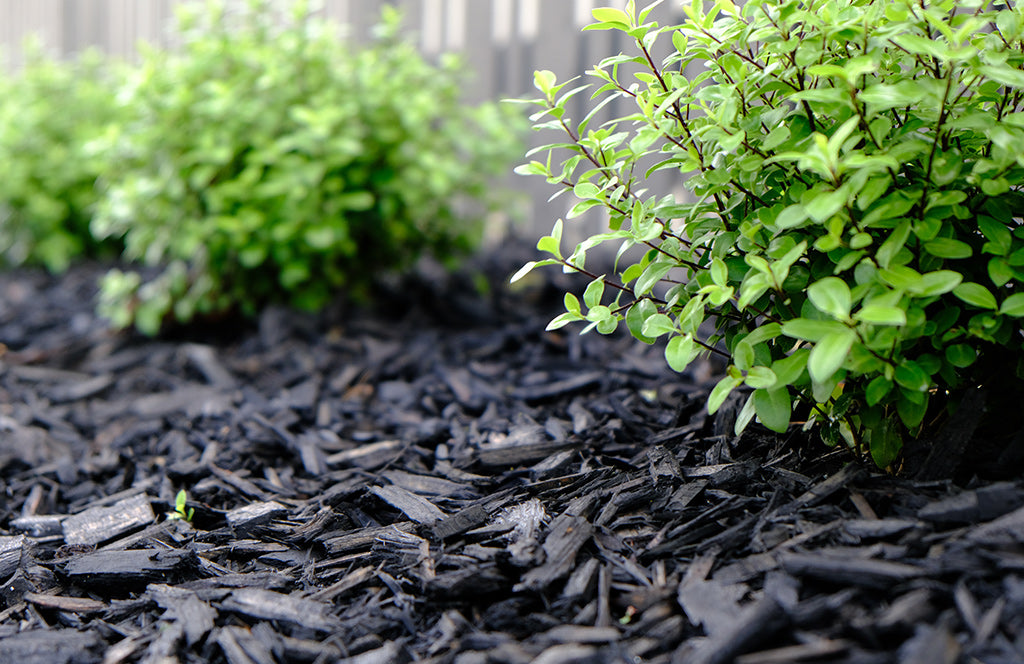
Most mulch looks like small wood chips that have various colours.
What are the different types of mulch?
The different types of mulch include Grass clippings, Straw, Wood chips, Bark, Gravel, Pine needles, Inorganic mulch, and Textile.
Best type of mulch to buy:
The best type of mulch to buy depends on your preference and garden job.
What is mulch used for?
Mulch helps with multiple aspects of a garden such as
- Helping to conserve and extend available water
- Protecting the soil from erosion
- Aiding in reduction competition by suppressing weeds
- Helps manage temperature extremes
- Acts as a barrier or visible marker of gardening beds to limit damage by landscape maintenance equipment
Bark
What is it?
Bark is as simple as it sounds, made from tree bark waste and turned into small chips.
What should it look like?
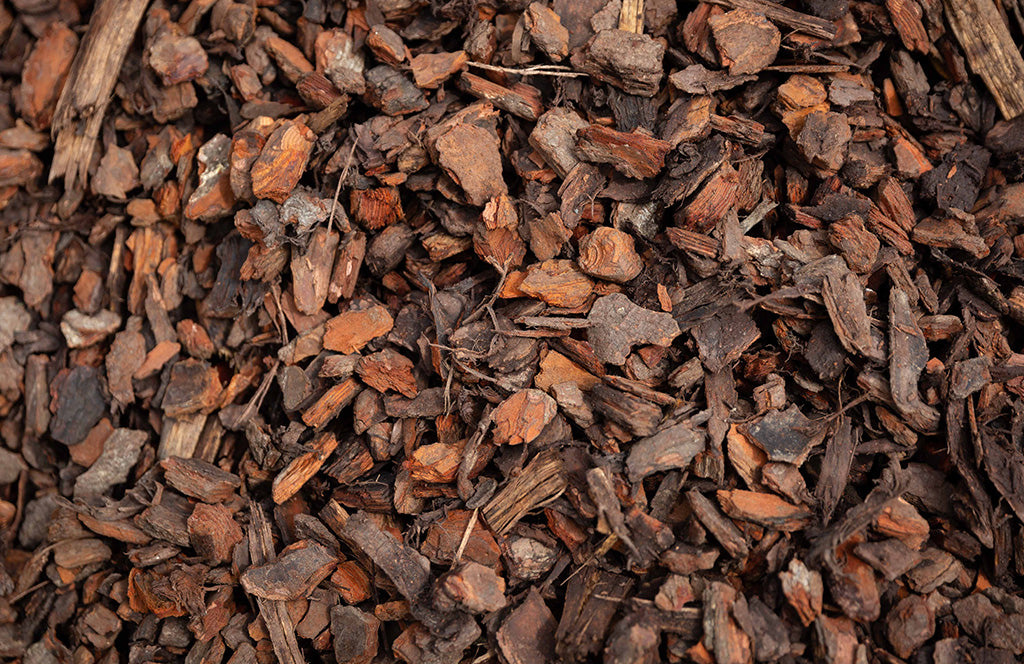
Small fines of tree bark that have been broken down and can be easily scooped up.
What is bark used for?
Bark is best used around trees, shrubs, and in garden beds where you won't be doing a lot of digging. Bark is also best used for front walkways and foundation plantings.
What are the different types of bark?
Some of the most common bark varieties in NZ are below:
Best type of bark to buy:
This depends on your project, if you are looking for a slow decomposing bark, pine is better, but if you are going purely for look and aesthetic, red bark chips are great too!
Bark or Mulch?
Advantages & Disadvantages of Mulch
Mulch offers many advantages for gardeners, making it one of the best ways to maintain healthy, attractive garden beds. The main benefits include moisture retention, as mulch reduces evaporation and keeps soil consistently damp, especially during dry months. It also helps suppress weeds, saving time and effort, and acts as an insulating layer, protecting plant roots from extreme heat or cold.
Organic mulches such as bark, compost, or straw gradually break down, improving soil structure and fertility over time. However, there are also a few disadvantages to consider. Some organic mulches may attract pests like slugs or ants, and if applied too thickly, can prevent water from reaching plant roots.
As mulch decomposes, it may temporarily tie up nitrogen in the soil, affecting plant growth. Finally, mulch needs regular topping up to stay effective and looking fresh. With proper application and maintenance, its benefits far outweigh the drawbacks.
Advantages & Disadvantages of Bark
In general, the woodier and dryer the mulch, the slower it will break down and the less nutrients it will give to the soil. Wood Bark is an excellent option for ground cover around plants and trees as it will maintain soil moisture in the Summer and will guard roots from frost in the Winter.
Bark mulch is one of the most popular choices for New Zealand gardens, valued for both its practical and aesthetic benefits. Its main advantages include excellent moisture retention, helping soil stay cool and damp through dry periods, and weed suppression, reducing maintenance time.
Bark also provides an attractive, natural finish that enhances garden beds and paths. As it breaks down, it gradually improves soil structure and adds valuable organic matter. However, there are some disadvantages to consider.
Bark can fade over time, especially in full sun, and lightweight pieces may wash away in heavy rain or strong wind. It also needs to be topped up annually to maintain depth and effectiveness. Fresh bark can sometimes tie up nitrogen during decomposition, so it’s best to add a slow-release fertiliser underneath before spreading. Despite these minor drawbacks, bark remains a durable, environmentally friendly mulch option for most garden types.
What type of mulch and bark should I buy for my garden or project?
Central Landscape Supplies offer multiple types of mulch and bark that can be tailored for whatever use or project you are looking to complete.
Frequently asked questions
Is mulch the same as compost?
Mulch and compost are not the same thing. The simple answer is that mulch is used on the top layer of the soil to control weeds, retain moisture and regulate temperature, whereas compost is used beneath the top layer of the soil to benefit the soil itself in providing essential nutrients.
Does bark mulch turn into dirt / soil / compost?
Mulch does not turn directly into soil but rather contributes to the creation of healthy soil over time through a process called decomposition. As organic mulch, such as wood chips or leaves, breaks down, it undergoes decomposition by microorganisms like bacteria and fungi.
Are there any disadvantages to some types of mulch?
Impervious mulches, like black plastic, don't let air or water in. Even matted leaves can have that same effect, so a well shredded mulch is always best. Light-coloured, wood-based mulches, like sawdust or fresh wood chips, can steal nitrogen from the soil as they break down.
What is the best tool to spread mulch?
Rakes are an important tool used for spreading much. There are different rakes; however, the sturdy bow rake is the most suitable one that helps spread the mulch. These types are known to have sturdy and short tines, which are often three inches long. Leaf rakes are only used to move the fluffiest mulches.
Will bark stop weeds?
Bark mulch provides a physical barrier to weeds, making them unable to penetrate and grow. The thickness of the bark acts as a deterrent for weed seeds, which is why it's vital to lay down a generous layer.
How often do you top up my bark?
Bark breaks down slowly and will not need replenished often – some mulches can still be effective years after they were added. However, routine top ups when soil shows through, and a replenishment of bark mulch every 2-3 years, will maintain its full benefits.
How often should you top up the mulch?
Mulching is one of the simplest and most effective ways to keep your garden thriving year-round. In most New Zealand gardens, it’s best to replenish mulch once or twice a year — typically in spring and again in late summer or early autumn. Over time, organic mulches like bark, compost, or straw naturally break down, enriching your soil but thinning your protective layer. Aim to maintain about 5–8 cm of mulch at all times to lock in moisture, suppress weeds, and protect plant roots from temperature changes. If you notice bare patches, cracking soil, or increased weed growth, it’s a sure sign your mulch needs topping up. After heavy rain or wind, check for erosion and reapply as needed. Regular mulching not only keeps your garden looking fresh and tidy but also improves soil health, creating stronger, more resilient plants season after season.
What should you put under bark?
Before spreading bark mulch, it’s important to prepare the area properly to get the best results. Start by clearing all weeds and debris, as bark alone won’t kill established weeds. Next, level the soil and water it lightly to help settle the surface. Many gardeners choose to lay down a weed mat or landscape fabric before adding bark — this provides an effective barrier against new weed growth while still allowing water and air to reach the soil. If you prefer a fully organic approach, you can use thick layers of damp newspaper or cardboard as an alternative; these materials decompose slowly and enrich the soil over time. Avoid using plastic sheeting, which can block moisture and suffocate plant roots. Once your base is in place, spread bark to a depth of 5–8 cm. Proper preparation ensures your bark mulch lasts longer, looks tidier, and keeps your garden low-maintenance.